Live above reproach
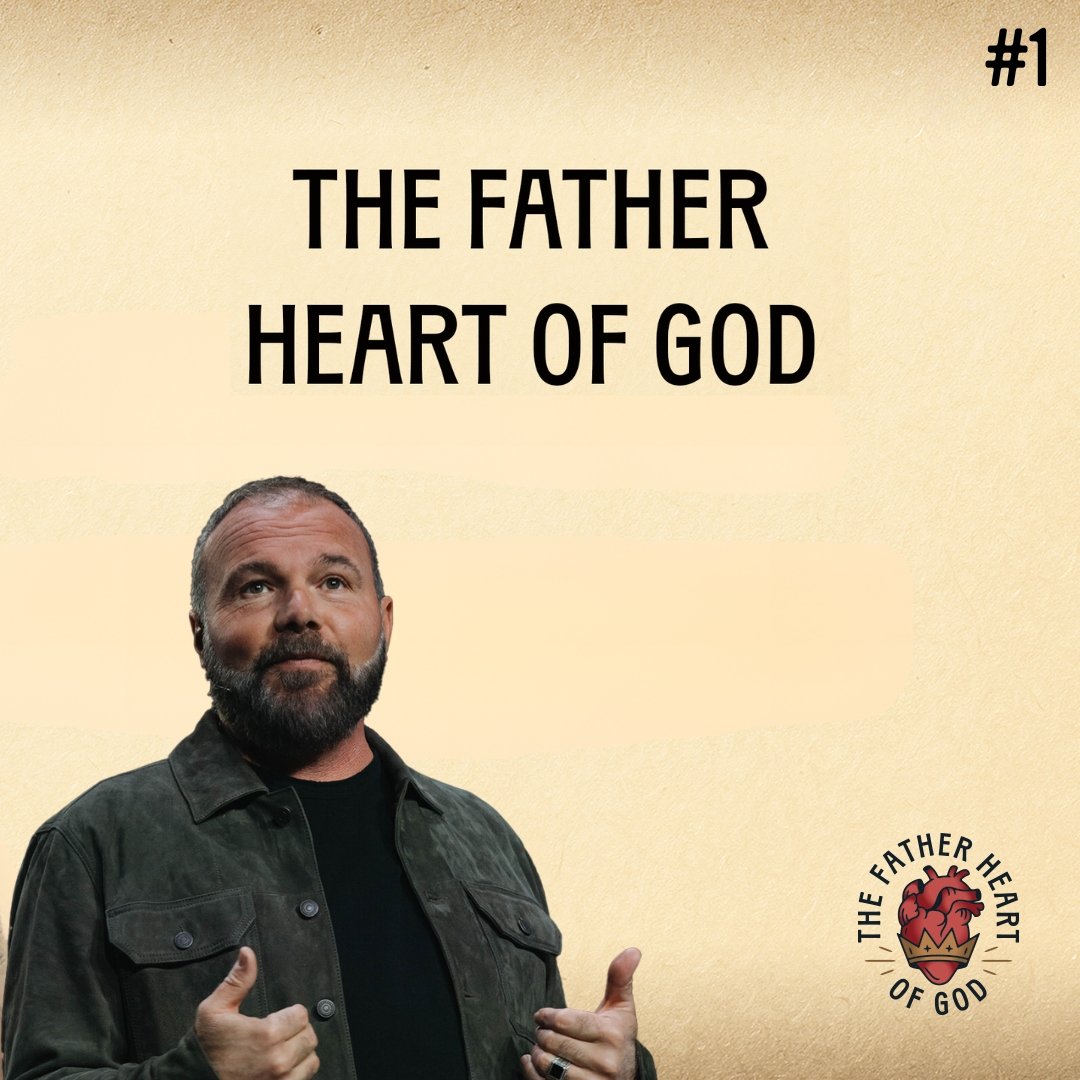
This is a clip from Pastor Mark's sermon: What The Bible Really Says About Sex To watch the full sermon, click here: https://www.youtube.com/watch?v=FEAvhWFJsQY
Claim "Win Your War" as a FREE bonus resource from Pastor Mark: https://realfaith.com/dive-deeper-into-the-unknown-divine-beings/
----------
To get more bold, practical truth from Pastor Mark Driscoll, visit https://realfaith.com or text “RealFaith” to 99383.
Click HERE to subscribe to our channel: https://www.youtube.com/MarkDriscollMinistries?sub_confirmation=1
To listen to Pastor Mark's podcast, follow here:
Spotify: https://open.spotify.com/show/4IdNLJCwDsWnOlcMKyDPHt
Apple: https://podcasts.apple.com/us/podcast/the-mark-driscoll-podcast/id1709166663
Follow on social media:
Facebook: https://www.facebook.com/pastormark
Instagram: https://www.instagram.com/markdriscoll/
TikTok: https://www.tiktok.com/@pastormarkdriscoll
Twitter: https://twitter.com/pastormark
Click here for more resources: https://linktr.ee/markdriscoll
1.7K